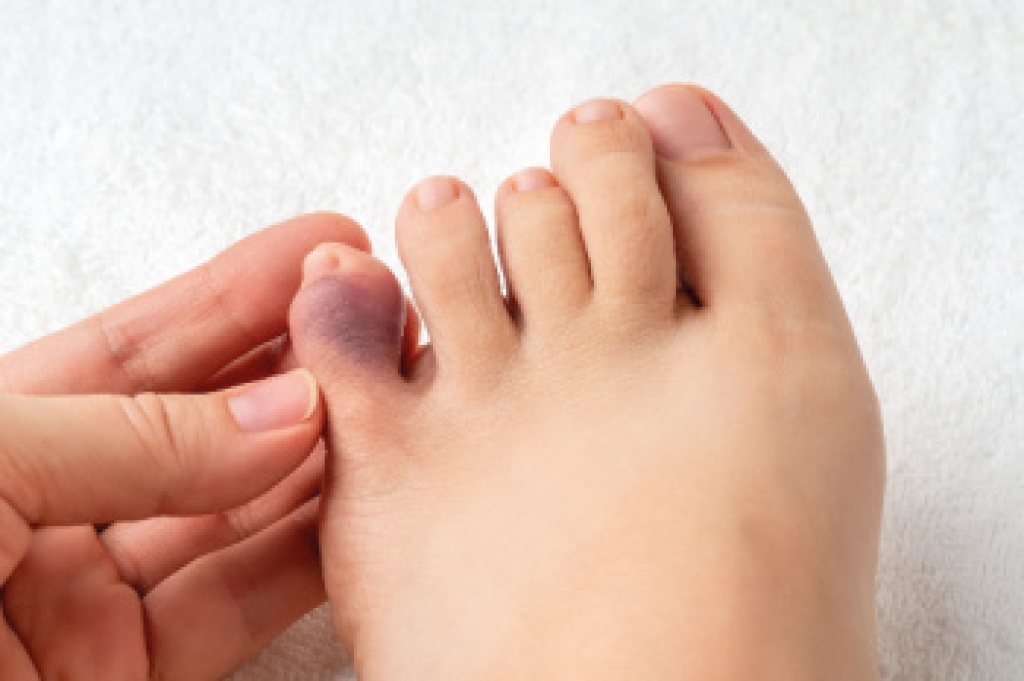
Foot Neuropathy and the Risk of Falling

Peripheral neuropathy affects the nerves that carry signals between the feet and the brain. When these nerves are damaged, sensation in the feet may become reduced, altered, or unpredictable. People may not fully feel the ground, notice changes in surface texture, or sense foot position during walking. This loss of feedback can interfere with balance and coordination, increasing the risk of tripping or falling. Muscle weakness and slower reaction times can further add to instability. A podiatrist plays an important role in evaluating nerve function and identifying contributing factors. Treatment may include footwear guidance, custom orthotics, balance-focused exercises, and strategies to protect numb areas of the feet. Early care helps improve safety, maintain confidence with walking, and reduce fall-related injuries that can significantly impact mobility and independence. If you are experiencing neuropathy in your lower extremities, it is suggested that you visit a podiatrist for relief options.

Neuropathy

Neuropathy can be a potentially serious condition, especially if it is left undiagnosed. If you have any concerns that you may be experiencing nerve loss in your feet, consult with the foot specialists from Affiliates in Foot Care, P.C.. Our doctors will assess your condition and provide you with quality foot and ankle treatment for neuropathy.

What Is Neuropathy?

Neuropathy is a condition that leads to damage to the nerves in the body. Peripheral neuropathy, or neuropathy that affects your peripheral nervous system, usually occurs in the feet. Neuropathy can be triggered by a number of different causes. Such causes include diabetes, infections, cancers, disorders, and toxic substances.

Symptoms of Neuropathy Include:

  • Numbness
  • Sensation loss
  • Prickling and tingling sensations
  • Throbbing, freezing, burning pains
  • Muscle weakness

Those with diabetes are at serious risk due to being unable to feel an ulcer on their feet. Diabetics usually also suffer from poor blood circulation. This can lead to the wound not healing, infections occurring, and the limb may have to be amputated.

Treatment

To treat neuropathy in the foot, podiatrists will first diagnose the cause of the neuropathy. Figuring out the underlying cause of the neuropathy will allow the podiatrist to prescribe the best treatment, whether it be caused by diabetes, toxic substance exposure, infection, etc. If the nerve has not died, then it’s possible that sensation may be able to return to the foot.

Pain medication may be issued for pain. Electrical nerve stimulation can be used to stimulate nerves. If the neuropathy is caused from pressure on the nerves, then surgery may be necessary.

If you have any questions, please feel free to contact our office located in Woburn, MA . We offer the newest diagnostic and treatment technologies for all your foot care needs.
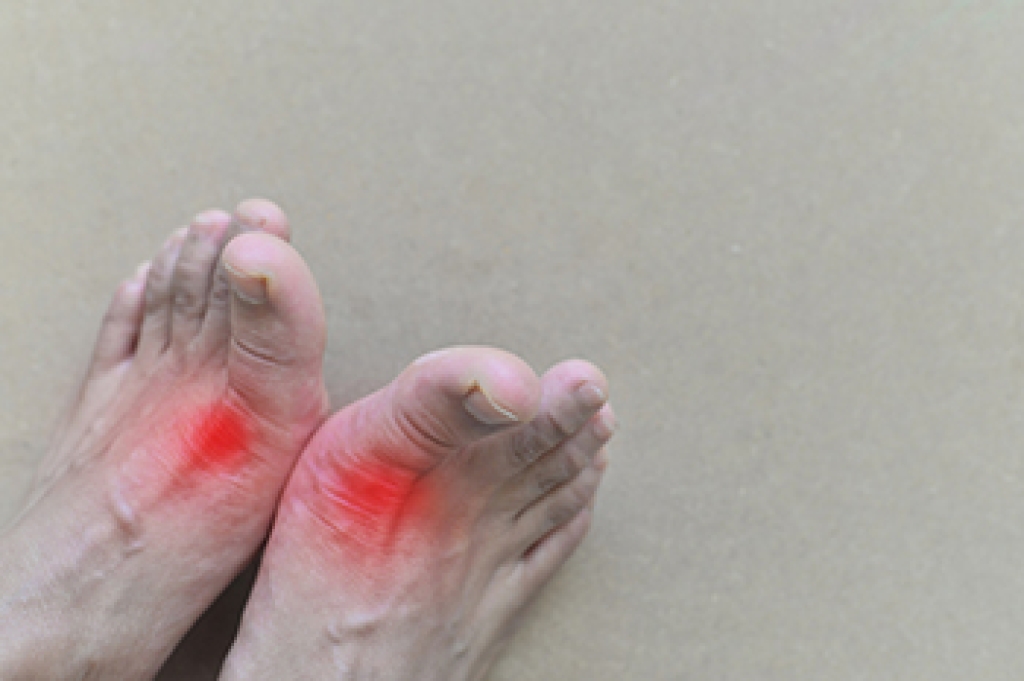
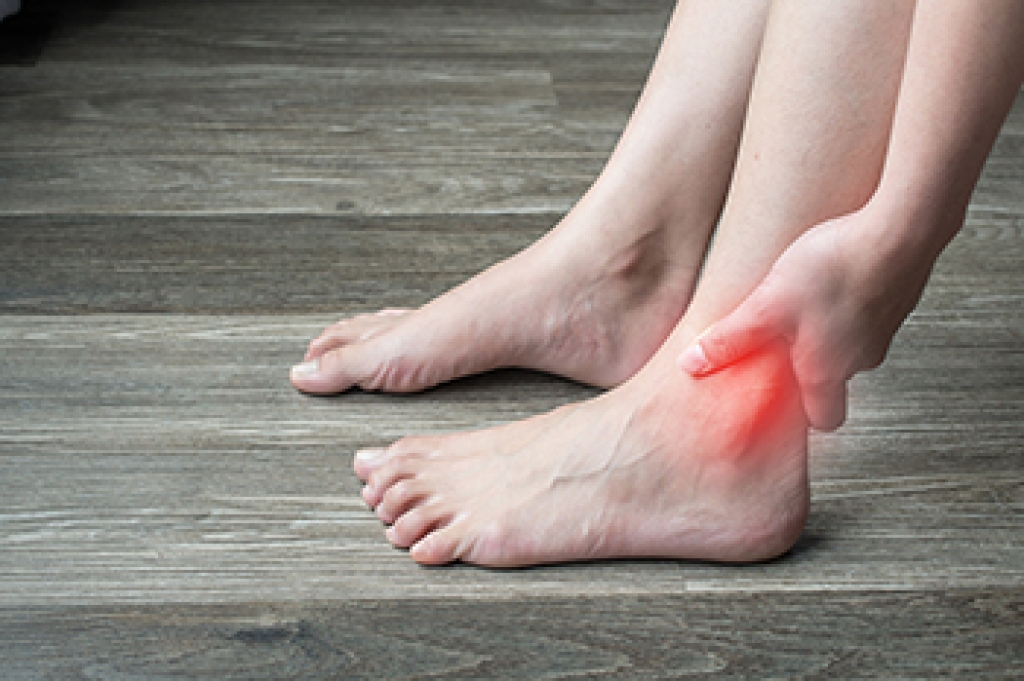
Read more about Neuropathy

Wounds That Don't Heal Need to Be Checked

Your feet are covered most of the day. If you're diabetic, periodic screening is important for good health. Numbness is often a sign of diabetic foot and can mask a sore or wound.

Toe Pain Caused by Capsulitis

Toe pain caused by capsulitis occurs when the ligament that surrounds a toe joint becomes inflamed due to repeated stress or pressure. This problem most often affects the joint at the base of the second toe, where excessive load on the front of the foot can reduce joint stability. People may notice aching, swelling, stiffness, or pain that increases with walking or prolonged standing. Changes in foot structure, uneven weight distribution, toe length differences, or increased activity can all contribute to capsulitis. If it is not addressed, the affected toe may gradually shift position, leading to persistent discomfort and difficulty wearing shoes. A podiatrist can assess toe alignment, joint function, and walking mechanics to confirm the cause of pain. Treatment options aim to reduce strain on the joint and support proper toe positioning. If you are experiencing such toe pain, it is suggested that you make an appointment with a podiatrist for an exam, diagnosis, and treatment.

Toe pain can disrupt your daily activities. If you have any concerns, contact the foot specialists of Affiliates in Foot Care, P.C.. Our doctors can provide the care you need to keep you pain-free and on your feet.

What Causes Toe Pain?

Most severe toe pain is caused due to a sports injury, trauma from dropping something heavy on the toe, or bumping into something rigid. Other problems can develop over time for various reasons.

Toe pain can be caused by one or more ailments. The most common include:

  • Trauma
  • Sports injury
  • Wearing shoes that are too tight
  • Arthritis
  • Gout
  • Corns and calluses
  • Hammertoe
  • Bunions
  • Blisters
  • Ingrown toenails
  • Sprains
  • Fractures (broken bones)
  • Dislocations

When to See a Podiatrist

  • Severe pain
  • Persistent pain that lasts more than a week
  • Signs of infection
  • Continued swelling
  • Pain that prevents walking

Diagnosis

In many cases the cause of toe pain is obvious, but in others, a podiatrist may want to use more advanced methods to determine the problem. These can range from simple visual inspections and sensation tests to X-rays and MRI scans. Prior medical history, family medical history, and any recent physical traumatic events will all be taken into consideration for a proper diagnosis.

Treatment

Treatments for toe pain and injuries vary and may include shoe inserts, padding, taping, medicines, injections, and in some cases, surgery. If you believe that you have broken a toe, please see a podiatrist as soon as possible.

If you have any questions please contact our office located in Woburn, MA . We offer the newest diagnostic and treatment technologies for all your foot and ankle needs.

Read more about Toe Pain

Reasons for Pain in the Arch of the Foot

Arch pain can develop for different reasons because this part of the foot works hard with every step. One common source is strain of the plantar fascia, the thick band of tissue supporting the arch, which can become irritated from long periods of standing, high impact activity, or wearing improper footwear. Flat feet or very high arches can place extra stress on the mid-foot and lead to aching or fatigue. Tight calf muscles may pull on the arch and change how the foot absorbs pressure, while overuse injuries such as small stress reactions in the bones can create deeper discomfort. Some people experience arch pain from tendon issues, nerve irritation, or changes linked to aging or arthritis. A podiatrist can identify the exact cause, recommend supportive shoes or inserts, and provide treatment that eases strain. If arch pain is limiting your daily activity, it is suggested that you see a podiatrist for an accurate diagnosis and effective treatment solutions.

Foot Pain

Foot pain can be extremely painful and debilitating. If you have a foot pain, consult with the foot specialists from Affiliates in Foot Care, P.C.. Our doctors will assess your condition and provide you with quality foot and ankle treatment.

Causes

Foot pain is a very broad condition that could be caused by one or more ailments. The most common include:

  • Bunions
  • Hammertoes
  • Plantar Fasciitis
  • Bone Spurs
  • Corns
  • Tarsal Tunnel Syndrome
  • Ingrown Toenails
  • Arthritis (such as Gout, Rheumatoid, and Osteoarthritis)
  • Flat Feet
  • Injury (from stress fractures, broken toe, foot, ankle, Achilles tendon ruptures, and sprains)
  • And more

Diagnosis

To figure out the cause of foot pain, podiatrists utilize several different methods. This can range from simple visual inspections and sensation tests to X-rays and MRI scans. Prior medical history, family medical history, and any recent physical traumatic events will all be taken into consideration for a proper diagnosis.

Treatment

Treatment depends upon the cause of the foot pain. Whether it is resting, staying off the foot, or having surgery; podiatrists have a number of treatment options available for foot pain.

If you have any questions, please feel free to contact our office located in Woburn, MA . We offer the newest diagnostic and treatment technologies for all your foot care needs.

Read more about Foot Pain

Dealing With Athlete’s Foot

Athlete’s foot is a common fungal infection seen by podiatrists, often affecting teens and adults who sweat in shoes. Symptoms include itching, peeling skin, cracking between toes, and blisters that form on the sole or instep. The skin may look white, scaly, or raw, and blisters can appear clear or cloudy. It may feel itchy, sore, or painful when walking. Causes include warm, moist environments, shared showers, tight footwear, and contact with contaminated surfaces. A podiatrist can help from the start by examining the skin, confirming a diagnosis, and ruling out similar conditions. Treatment may include topical or oral antifungal medications, blister care, drying strategies, and prevention education. Prompt professional guidance supports healing, reduces recurrence risk, and protects family members and teammates nearby. Early care helps prevent spread, so it is suggested that you make an appointment with a podiatrist if you are dealing with skin issues on your feet.

Athlete’s foot is an inconvenient condition that can be easily reduced with the proper treatment. If you have any concerns about your feet and ankles, contact the foot specialists from Affiliates in Foot Care, P.C..  Our doctors will treat your foot and ankle needs.

Athlete’s Foot: The Sole Story

Athlete's foot, also known as tinea pedis, can be an extremely contagious foot infection. It is commonly contracted in public changing areas and bathrooms, dormitory style living quarters, around locker rooms and public swimming pools, or anywhere your feet often come into contact with other people.

Solutions to Combat Athlete’s Foot

  • Hydrate your feet by using lotion
  • Exfoliate
  • Buff off nails
  • Use of anti-fungal products
  • Examine your feet and visit your doctor if any suspicious blisters or cuts develop

Athlete’s foot can cause many irritating symptoms such as dry and flaking skin, itching, and redness. Some more severe symptoms can include bleeding and cracked skin, intense itching and burning, and even pain when walking. In the worst cases, Athlete’s foot can cause blistering as well. Speak to your podiatrist for a better understanding of the different causes of Athlete’s foot, as well as help in determining which treatment options are best for you.

If you have any questions please feel free to contact our office located in Woburn, MA . We offer the newest diagnostic and treatment technologies for all your foot and ankle needs.

Read more about How to Deal with Athlete's Foot

Connect With Us