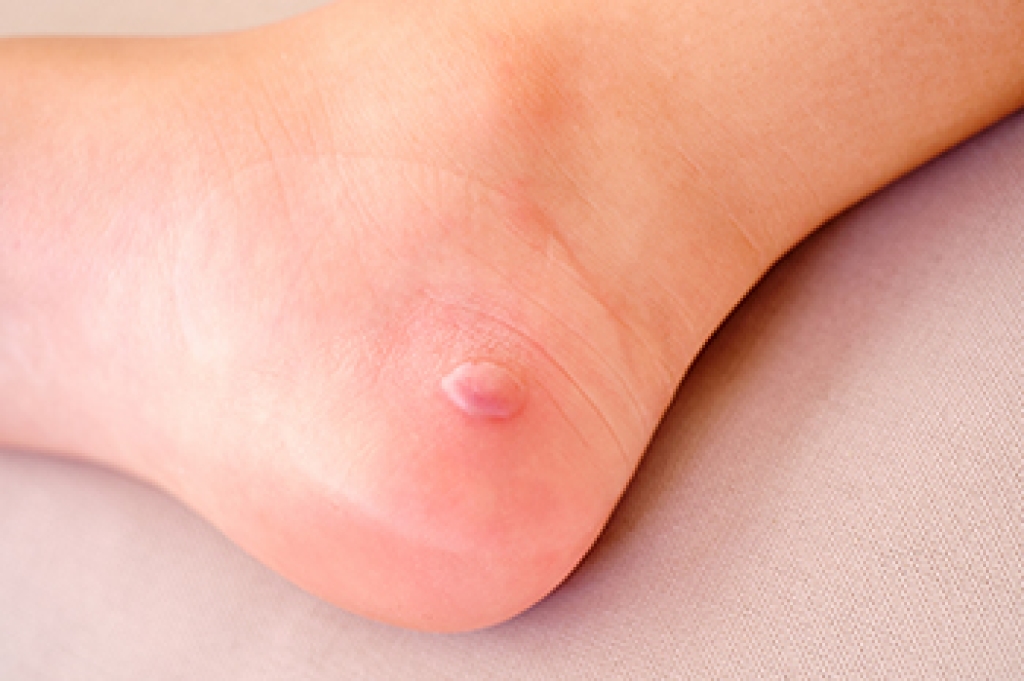
Understanding Sever’s Disease and Pediatric Heel Pain

Sever’s disease is a common cause of pediatric heel pain that occurs when the growth plate at the back of the heel becomes inflamed. It typically affects children and adolescents during periods of rapid growth, especially among children who participate in running and jumping activities. The condition develops when repetitive stress and tight calf muscles place excess strain on the heel bone. Symptoms often include tenderness, swelling, and pain with deep pressure at the back of the heel, which may worsen during or after activity. Risk factors include high activity levels, wearing improper footwear, and growth spurts. A podiatrist can provide evaluation, stretching guidance, and supportive orthotics. If your active child has heel pain, it is suggested that you consult a podiatrist who can provide an accurate diagnosis and offer relief solutions.

Sever's disease often occurs in children and teens. If your child is experiencing foot or ankle pain, see the foot specialists from Affiliates in Foot Care, P.C.. Our doctors can treat your child’s foot and ankle needs.

Sever’s Disease

Sever’s disease is also known as calcaneal apophysitis, which is a medical condition that causes heel pain I none or both feet. The disease is known to affect children between the ages of 8 and 14.

Sever’s disease occurs when part of the child’s heel known as the growth plate (calcaneal epiphysis) is attached to the Achilles tendon. This area can suffer injury when the muscles and tendons of the growing foot do not keep pace with bone growth. Therefore, the constant pain which one experiences at the back of the heel will make the child unable to put any weight on the heel. The child is then forced to walk on their toes.

Symptoms

Acute pain – Pain associated with Sever’s disease is usually felt in the heel when the child engages in physical activity such as walking, jumping and or running.

Highly active – Children who are very active are among the most susceptible in experiencing Sever’s disease, because of the stress and tension placed on their feet.

If you have any questions, please feel free to contact our office located in Woburn, MA . We offer the newest diagnostic and treatment technologies for all your foot care needs.


Read more about Sever's Disease

Foot Issues During Pregnancy

Pregnancy brings many physical changes, and the feet are often affected in surprising ways. As the body adapts to a growing baby, hormonal shifts loosen ligaments, which can lead to an unsteady gait and reduced balance. Increased body weight places added pressure on the feet, contributing to discomfort and fatigue. Swelling is also common due to fluid retention and changes in circulation, making shoes feel tight and restrictive. Many women notice increased foot width as the arches flatten and ligaments stretch, sometimes resulting in a permanent change in shoe size. Wearing supportive footwear, elevating the feet, and maintaining gentle activity can help reduce discomfort. If symptoms persist or worsen, it is suggested that you consult a podiatrist who can treat various foot and ankle conditions, providing foot relief for a comfortable pregnancy.

Pregnant women with swollen feet can be treated with a variety of different methods that are readily available. For more information about other cures for swollen feet during pregnancy, consult with the foot specialists from Affiliates in Foot Care, P.C.. Our doctors will attend to all of your foot and ankle needs.

What Foot Problems Can Arise During Pregnancy?

One problem that can occur is overpronation, which occurs when the arch of the foot flattens and tends to roll inward.  This can cause pain and discomfort in your heels while you’re walking or even just standing up, trying to support your baby.  

Another problem is edema, or swelling in the extremities. This often affects the feet during pregnancy but tends to occur in the later stages. 

How Can I Keep My Feet Healthy During Pregnancy?

  • Wearing orthotics can provide extra support for the feet and help distribute weight evenly
  • Minimize the amount of time spent walking barefoot
  • Wear shoes with good arch support
  • Wear shoes that allow for good circulation to the feet
  • Elevate feet if you experience swelling
  • Massage your feet
  • Get regular, light exercise, such as walking, to promote blood circulation to the feet

If you have any questions, please feel free to contact our office located in Woburn, MA . We offer the newest diagnostic and treatment technologies for all your foot care needs.
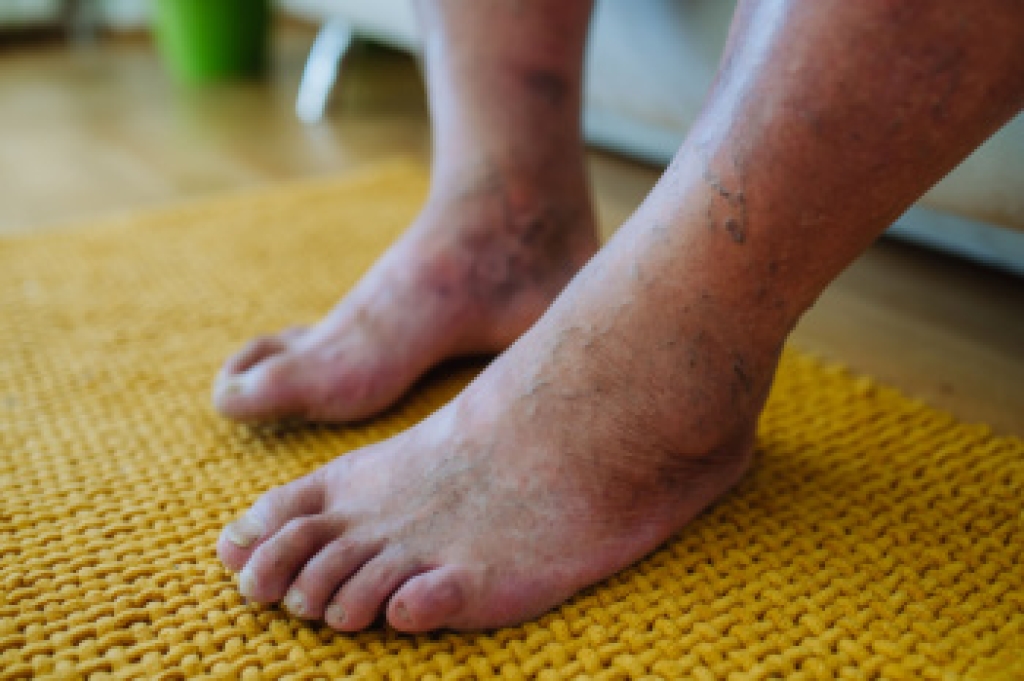
Read more about Foot Care for Pregnant Women

It's Time for Beautiful Feet

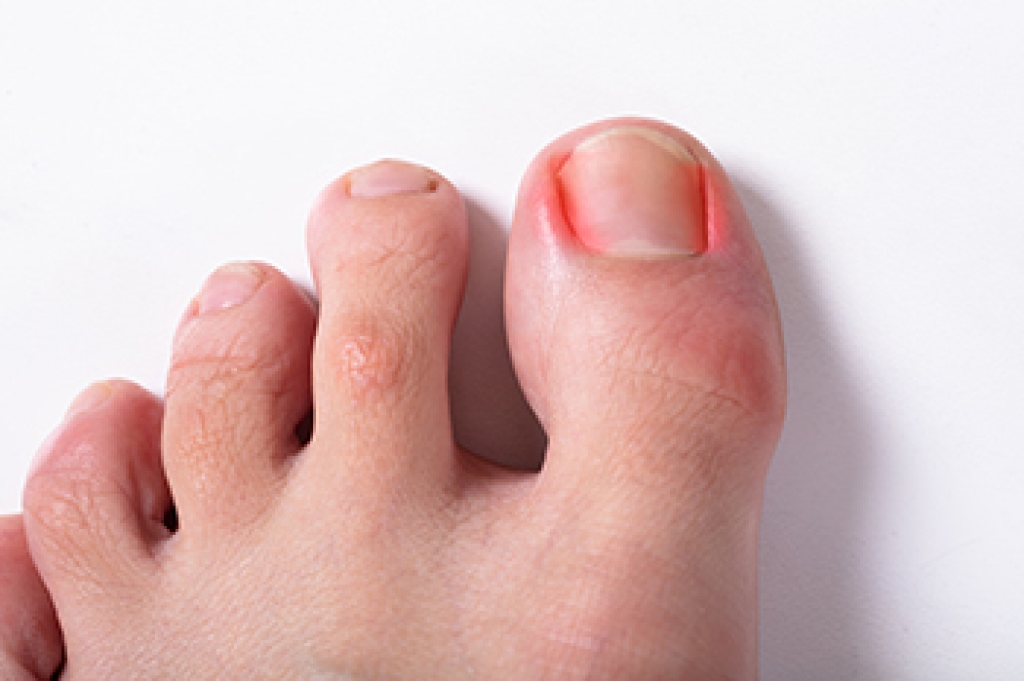
You don't need an excuse to have beautiful nails. Step outside without worrying about the appearance of your feet.

When Foot Injuries Linger and Healing Slows

Most foot wounds heal with time and proper care, but some fail to improve, despite treatment. Poor circulation is a common reason, as reduced blood flow limits oxygen and nutrient delivery needed for healing. Diabetes can also slow recovery by affecting nerves, immune response, and blood vessels, making injuries harder to feel and treat early. Ongoing pressure from walking, wearing ill-fitting shoes, or abnormal foot structure may repeatedly reopen wounds. Infection is another major factor, as bacteria can delay tissue repair and increase inflammation. Certain wounds become chronic when underlying conditions are not addressed. Skin breakdown may continue if pressure points are not offloaded, or if moisture and friction persist. Early evaluation is important to prevent complications. When a foot wound does not show signs of healing or continues to worsen, it is suggested that you see a podiatrist as quickly as possible for appropriate treatment.

Wound care is an important part in dealing with diabetes. If you have diabetes and a foot wound or would like more information about wound care for diabetics, consult with the foot specialists from Affiliates in Foot Care, P.C.. Our doctors will assess your condition and provide you with quality foot and ankle treatment.

What Is Wound Care?

Wound care is the practice of taking proper care of a wound. This can range from the smallest to the largest of wounds. While everyone can benefit from proper wound care, it is much more important for diabetics. Diabetics often suffer from poor blood circulation which causes wounds to heal much slower than they would in a non-diabetic. 

What Is the Importance of Wound Care?

While it may not seem apparent with small ulcers on the foot, for diabetics, any size ulcer can become infected. Diabetics often also suffer from neuropathy, or nerve loss. This means they might not even feel when they have an ulcer on their foot. If the wound becomes severely infected, amputation may be necessary. Therefore, it is of the upmost importance to properly care for any and all foot wounds.

How to Care for Wounds

The best way to care for foot wounds is to prevent them. For diabetics, this means daily inspections of the feet for any signs of abnormalities or ulcers. It is also recommended to see a podiatrist several times a year for a foot inspection. If you do have an ulcer, run the wound under water to clear dirt from the wound; then apply antibiotic ointment to the wound and cover with a bandage. Bandages should be changed daily and keeping pressure off the wound is smart. It is advised to see a podiatrist, who can keep an eye on it.

If you have any questions please contact our office located in Woburn, MA . We offer the newest diagnostic and treatment technologies for all your foot and ankle needs.

Read more about Wound Care

Diabetes Foot Health and Preventive Care

Diabetes is a chronic condition that affects how the body uses blood sugar and can develop due to genetic factors, lifestyle influences, or insulin resistance. Common symptoms include increased thirst, fatigue, slow healing, and changes in sensation. Diabetes can significantly affect the feet by reducing circulation and nerve function, which increases the risk of injury, infection, and ulcers. Proper foot care is essential, and includes checking feet daily, washing and drying them carefully, in addition to trimming the toenails straight across, and wearing shoes and socks while outdoors for protection. Early attention helps prevent complications. A podiatrist can monitor foot health, treat problems early, and provide guidance on proper footwear and care. If you have diabetes, it is strongly suggested that you are under the care of a podiatrist who can help you to manage this serious condition.

Diabetic foot care is important in preventing foot ailments such as ulcers. If you are suffering from diabetes or have any other concerns about your feet, contact the foot specialists from Affiliates in Foot Care, P.C.. Our doctors can provide the care you need to keep you pain-free and on your feet.

Diabetic Foot Care

Diabetes affects millions of people every year. The condition can damage blood vessels in many parts of the body, especially the feet. Because of this, taking care of your feet is essential if you have diabetes, and having a podiatrist help monitor your foot health is highly recommended.

The Importance of Caring for Your Feet

  • Routinely inspect your feet for bruises or sores.
  • Wear socks that fit your feet comfortably.
  • Wear comfortable shoes that provide adequate support.

Patients with diabetes should have their doctor monitor their blood levels, as blood sugar levels play such a huge role in diabetic care. Monitoring these levels on a regular basis is highly advised.

It is always best to inform your healthcare professional of any concerns you may have regarding your feet, especially for diabetic patients. Early treatment and routine foot examinations are keys to maintaining proper health, especially because severe complications can arise if proper treatment is not applied.

If you have any questions, please feel free to contact our office located in Woburn, MA . We offer the newest diagnostic and treatment technologies for all your foot care needs.
Read more about Diabetic Foot Conditions

Connect With Us